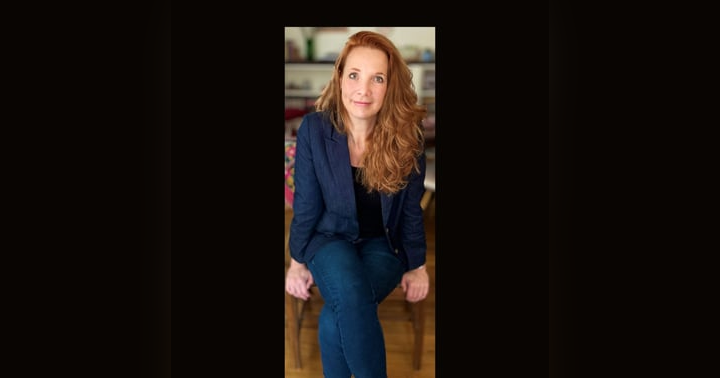
Inside Publishing with Mari Kesselring: Trends, Packagers, and What Authors Need to Know

If you’ve ever wondered how book packagers really work, what editors look for beyond sales numbers, or which trends will shape publishing in 2026, this week’s Writers With Wrinkles delivers exactly the kind of insider clarity writers crave. Beth and Lisa sit down with Mari Kesselring, Publishing Manager of Penguin Random House’s Driven imprint, for a thoughtful, funny, and deeply useful conversation about how books get made—and how authors can navigate a landscape that is shifting by the day.
Mari brings nearly 20 years of experience as an editor, author, and publishing manager. She has worked across imprints including Flux and Jollyfish Press, collaborated with book packagers, and now oversees a trend-driven imprint inside the world’s largest publishing house. Her perspective balances creative empathy with business practicality—something authors rarely get to hear in such an open way.
What Book Packagers Actually Do (and Why Authors Should Care)
Book packagers remain one of publishing’s most misunderstood entities. Mari begins by breaking down the basics: publishers often hire packagers to execute specific book ideas. The publisher brings the concept; the packager assembles the team—writers, editors, designers—to bring it to life.
For authors, packager work can be a valuable career stepping stone:
It’s often work-for-hire, with a clear brief and a guaranteed paycheck.
It builds writing credits without needing to originate the idea.
It can expose writers to new genres and formats.
She recommends the American Book Producers Association for writers interested in exploring packager opportunities, while reminding listeners that each packager operates differently—some lean heavily on freelancers, others less so.
For writers feeling stuck or needing reliable income, this world may offer more options than they realize.
Inside Driven: Publishing at the Speed of Culture
As Publishing Manager of Driven, Mari oversees an imprint designed for fast, trend-responsive publishing. Their catalog includes puzzle books, guided journals, and topic-specific projects like Rage Pages, a humorously cathartic journaling experience built around themes of women’s rage.
Driven’s mission highlights an important shift in reader behavior: audiences aren’t only seeking narratives—they’re seeking experiences, tools, and outlets tied to cultural moments. For authors looking to understand what sells now, following imprints like Driven provides insight into consumer-driven publishing trends.
Is Publishing Actually a Gamble? Mari’s Take
Beth and Lisa ask Mari about the viral article claiming “Publishing Has a Gambling Problem.” Mari’s response is grounded in realism and empathy.
Her view:
Publishing does involve uncertainty, but so do most industries. A book can have strong market indicators and still underperform due to timing, cultural trends, or sheer unpredictability. She frames it not as gambling, but as business—albeit business tied deeply to art.
The challenge, she says, is emotional whiplash: writers pour their hearts into a book, while publishers must view it as a product. When those perspectives collide, authors often feel the strain.
When Your First Book Doesn’t Sell Well: What Editors Actually Consider
A painful but common scenario: a debut launches, doesn’t perform strongly, and the author wonders whether their career is over. Mari provides an encouraging—and unusually transparent—answer.
At a small or mid-size press:
Low sales numbers are not an automatic rejection. In fact:
Some presses don’t have access to full sales reports.
Editors may instead look at Goodreads activity, Amazon reviews, and the author’s platform.
What matters most is the strength of the new manuscript.
At the author’s previous publisher:
That’s where low sales may have more impact, because the financial history is internal and concrete. But submitting to a new house resets expectations.
Mari’s most helpful advice
Ask early:
What does success look like for my book at this publisher?
What marketing support can I expect?
Understanding these metrics can prevent authors from internalizing unrealistic performance standards—or assuming failure where none exists.
Trends to Watch in 2026 (and Why They Matter)
This episode also dives into the trend cycle, giving writers insight into what editors are seeing across the market.
1. Romantasy and Feel-Good Escapism
Romantasy continues dominating charts. Readers want emotional warmth, magic, comfort, and connection—stories that promise relief in a chaotic world.
2. Dark Gothic Romance and Horror Romance
For readers seeking catharsis through shadows rather than sunshine, darker romance hybrids are flourishing. Mari calls it “a different kind of escapism.”
3. New Adult (Crossover Fiction) Is Resurfacing
A decade ago, New Adult had a moment before fading. But it’s returning as readers age out of YA but still want the intensity of character-driven stories. Romance, in particular, is finding a home here.
4. Middle Grade Needs a Revival
Mari’s passion for middle grade is evident. Booksellers still feature classics from the ’90s and 2000s, while newer titles struggle for space. She’s hopeful for a “middle grade uprising”—a renewed interest in stories for younger readers that reflect today’s world.
5. Chapter Books Are Gaining Momentum
With post-pandemic literacy gaps widening, demand for strong chapter book series is rising. Teachers and librarians play an outsize role here, and publishers are paying attention.
A Charming Bonus: The Penguin Hotline
Before wrapping, Mari shares one of Penguin Random House’s most delightful holiday traditions: the Penguin Hotline. Readers submit a short form describing the person (or themselves!) they’re shopping for, and PRH staff members send back personalized book recommendations. A few lucky participants even receive recs from PRH authors.
It’s quirky, joyful, and extremely on-brand for book people.
Why This Episode Is Essential for Writers
Mari’s conversation is a rare blend of practical publishing knowledge, market insight, and warmth. Authors at any stage will walk away with:
Clearer expectations about the publishing process
A realistic sense of how editors evaluate submissions
Hope for career longevity, even after setbacks
Understanding of current and emerging market trends
If you’re building a writing career—or rebuilding one—this episode is worth bookmarking.

Author
Beth McMullen is the author of the Mrs. Smith’s Spy School for Girls series , the Lola Benko, Treasure Hunter series, and The Secret of the Storm series (Aladdin/S&S).
She is also the author of the Spy Mom series (Hyperion).
Beth lives in Northern California with her husband, kids, and very grumpy cats. She's obsessed with podcasts and might give up writing in order to have more time to listen. Could happen.