What Is a Hybrid Author? (And Why It's Suddenly Everywhere)
You could finish four books this year and only ever get to publish one of them.
That's the reality of traditional publishing timelines — and it's exactly why more authors are quietly building a different kind of career. Not quitting traditional publishing. Not going all-in on self-publishing either. Doing both, on purpose, at the same time.
It's called being a hybrid author, and if you've started hearing the term everywhere lately, you're not imagining it. Here's what it actually means, why it's trending right now, and the different ways authors are making it work.
Hybrid Author vs. Hybrid Publisher: Not the Same Thing
Let's clear this up first, because the terms get tangled constantly.
A hybrid publisher is a version of self-publishing — a company that takes on some of the traditional publishing functions (editing, design, distribution) but usually requires the author to pay for some or all of it. That's not what we're talking about.
A hybrid author is a writer who works both the traditional and self-publishing paths at the same time, as a permanent, intentional strategy — not a stopgap until a "real" book deal comes along. It's not a phase. It's a business model.
Why Hybrid Publishing Is Having a Moment
The short answer: traditional publishing is slow, and authors who can write fast are tired of sitting on finished books.
A traditional deal can easily take two years from signing to publication — sometimes three, if a pub date gets pushed. Meanwhile, prolific authors are producing books far faster than any publisher can print them. If you're someone who can write a book every six months, and you're waiting on a traditional release schedule for all of them, you'd be facing a decades-long backlog.
Self-publishing platforms have also matured enormously. Tools that used to take a specialized skill set — cover design, formatting, distribution — are now accessible to nearly anyone. The barrier to putting out a genuinely good, professional-looking book on your own has dropped a lot in the past several years.
Put those two things together — a bottlenecked traditional system and a self-publishing ecosystem that actually works — and you get a growing number of authors asking: why choose?
The Different Ways Authors Are Doing It
There's no single hybrid model. Authors are structuring this a few different ways, depending on their genre, existing audience, and what they want out of each path:
Splitting by genre. An author signs a traditional deal for one genre — a thriller, say — while self-publishing a different genre, like romance, on the side. The traditional book builds prestige and reach; the self-published books keep cash flow steady and creative control high.
Splitting rights on the same book. Some authors sell print rights to a traditional or mid-sized publisher for hardcover placement, prestige, and bookstore distribution — but keep the e-book and audiobook rights and self-publish those themselves. This usually works best for authors who already have a self-publishing audience built up.
Reissuing backlist titles. When rights to an older traditionally published book revert to the author, some choose to self-publish it again rather than let it sit unavailable.
Project by project. Rather than committing an entire genre or format to one path, some authors decide book by book — letting the traditional publisher handle what it's genuinely good at (bookstore placement, foreign rights, PR) while self-publishing whatever doesn't fit that mold, or wherever they want full control.
The Real Benefits
Income that doesn't wait on anyone. A traditional advance typically arrives in a couple of large payments a year — and only after a contract that can itself take a year or more to finalize. Self-publishing platforms like KDP pay monthly, which smooths out an author's cash flow considerably.
Faster books, happier readers. Series authors in particular benefit here. Readers who are waiting on a next installment don't want a two-year gap — they want momentum. Hybrid authors who self-publish can feed that demand directly instead of losing readers to the wait.
Full creative control. No fighting for a cover you actually like. No "sorry, it's too late to fix that" on something you knew wasn't right. It's genuinely a different feeling to own every decision on a book, start to finish.
A place for the books that don't get picked up. A lot of authors have manuscripts sitting in a drawer — books that didn't sell, or a series option that wasn't picked up for reasons that had nothing to do with the book's quality. Hybrid publishing gives those books, and the built-in audience already excited about them, somewhere to go instead of just sitting unused.
The Real Challenges
Hybrid publishing isn't free of tradeoffs, and it's worth being honest about them before jumping in.
You're running two jobs, not one. Self-publishing means you're also the business: cover design, formatting, ad spend, metadata, distribution — on top of actually writing. None of that is typically taught in an MFA program, which focuses on craft, not the business side of publishing.
Contracts matter more than ever. Some traditional publishing contracts include a non-compete or right-of-first-refusal clause that can restrict you from releasing another book in the same genre or category while under contract. Know exactly what's in your contract before building a hybrid strategy around it — this is the kind of thing that can blow up a plan if it's missed.
It rewards genre writers more than literary fiction. Most authors doing hybrid publishing successfully write in genres with a built-in, appetite-driven readership — romance, fantasy, sci-fi, thriller, cozy mystery, and the various "romantasy"-style blends. Literary fiction, which tends to rely more on critical reviews and traditional discovery channels, is a harder fit for this model.
Who's Doing It Well
Cozy fantasy author Rebecca Thorne (author of Can't Spell Treason Without Tea) is a frequently cited example — she built her readership through self-publishing first, then added traditional deals while continuing to self-publish alongside them. She's been vocal about how she structures it, making her a good starting point if you want to see the strategy in practice.
Is It Right for You?
There's no formula here — every hybrid author is putting this together a little differently based on their genre, audience, and what kind of control they want to hold onto. If you're the kind of writer who's comfortable managing the business side and can produce work consistently, hybrid publishing might be the difference between treating writing as a side hustle and building it into a full-time career.
And if you're not sure where to start? You don't have to copy anyone else's model exactly. Figure out what you actually want more of — speed, control, prestige, stability — and build toward that.
This post is based on our episode on hybrid authors — listen to the full conversation for more, including which authors we're watching and the questions to ask before you go hybrid yourself.

Author
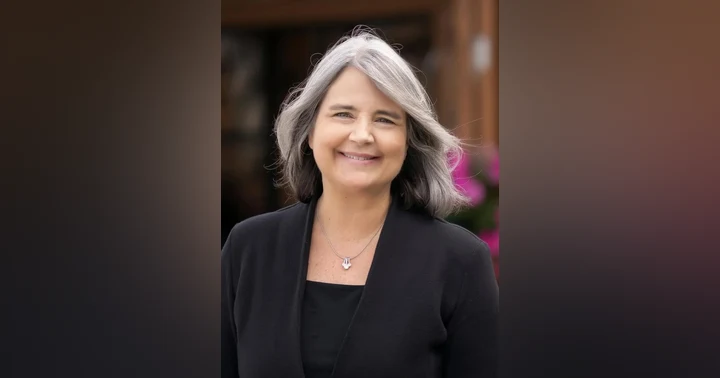
Beth McMullen is the author of the Mrs. Smith’s Spy School for Girls series , the Lola Benko, Treasure Hunter series, and The Secret of the Storm series (Aladdin/S&S).
She is also the author of the Spy Mom series (Hyperion).
Beth lives in Northern California with her husband, kids, and very grumpy cats. She's obsessed with podcasts and might give up writing in order to have more time to listen. Could happen.
Writer's Block Isn't One Thing: How to Get Unstuck Fast